ABOUT
Bishop’s Lodge, set across 317 acres in the Tesuque Valley at the base of the Sangre de Cristo Mountains, is a storied ranch resort reimagined as a luxury destination. Originally serving as a retreat in the 1870s for the Archbishop of Lamy, who gathered his congregation at the site’s chapel and later established a school, the property evolved into a resort in the 1920s and has since welcomed generations of families and travelers. With 150 years of history, Bishop’s Lodge remains deeply embedded in the cultural fabric of Santa Fe. ROAM Interior Design led the renovation of the interiors with a mandate to preserve this legacy while elevating the guest experience through thoughtful, layered design.
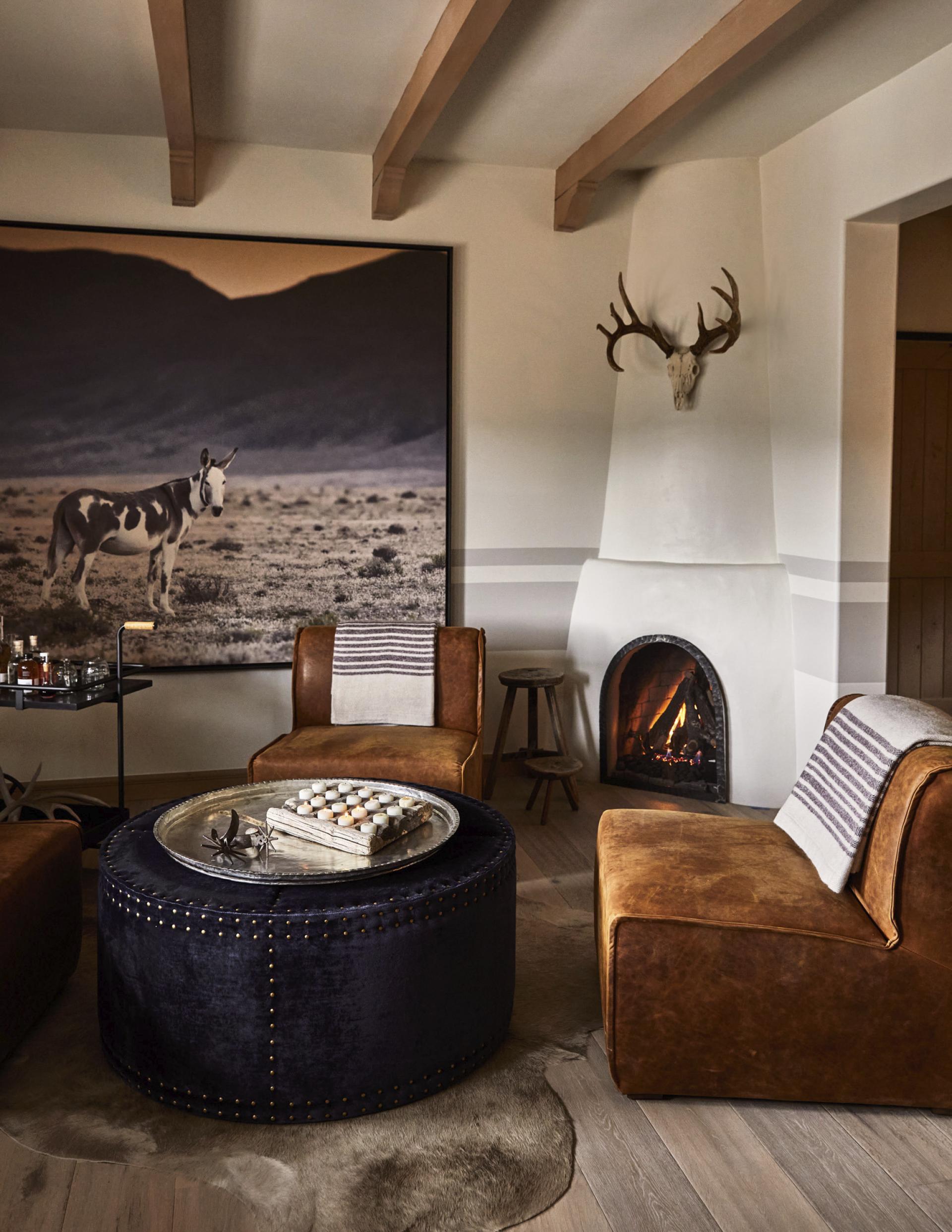
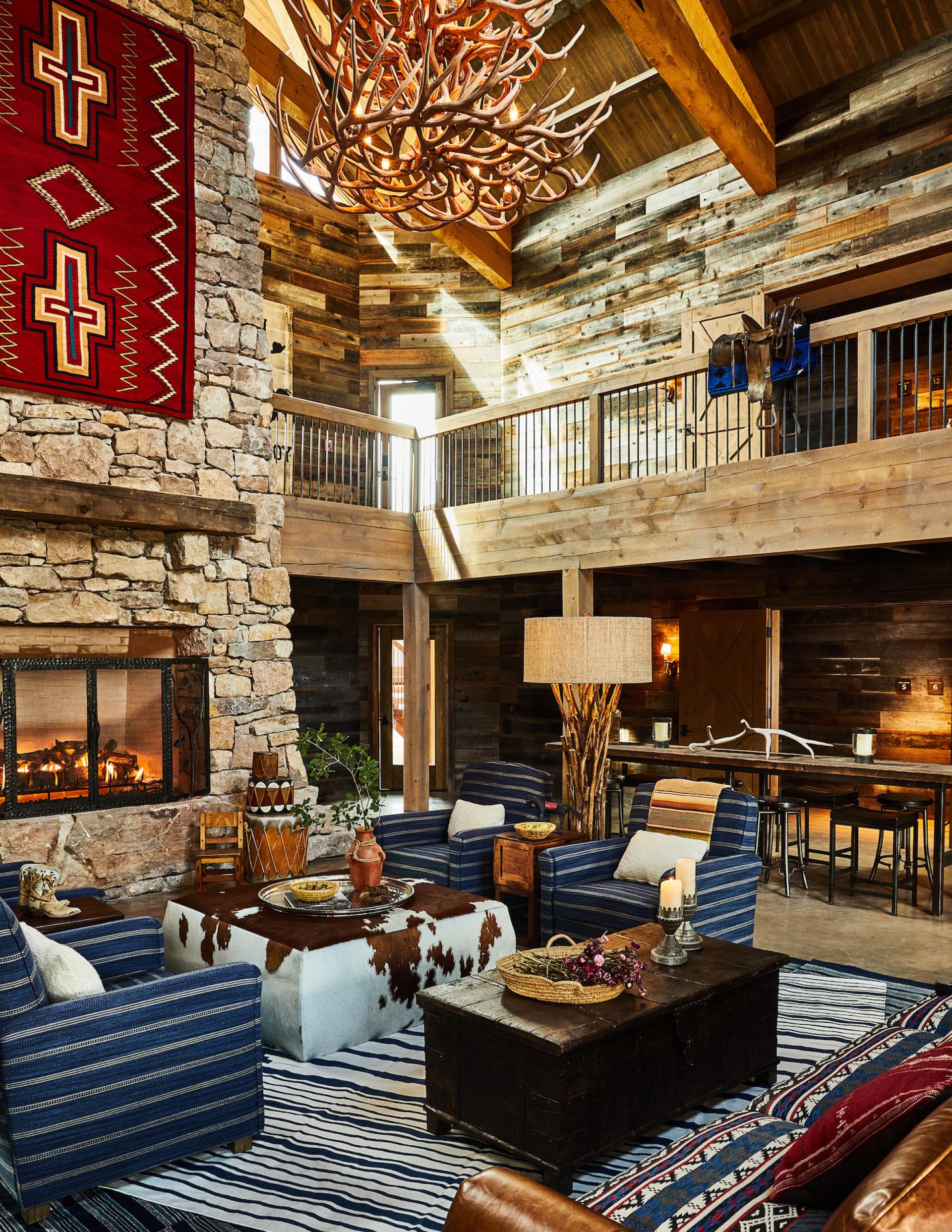
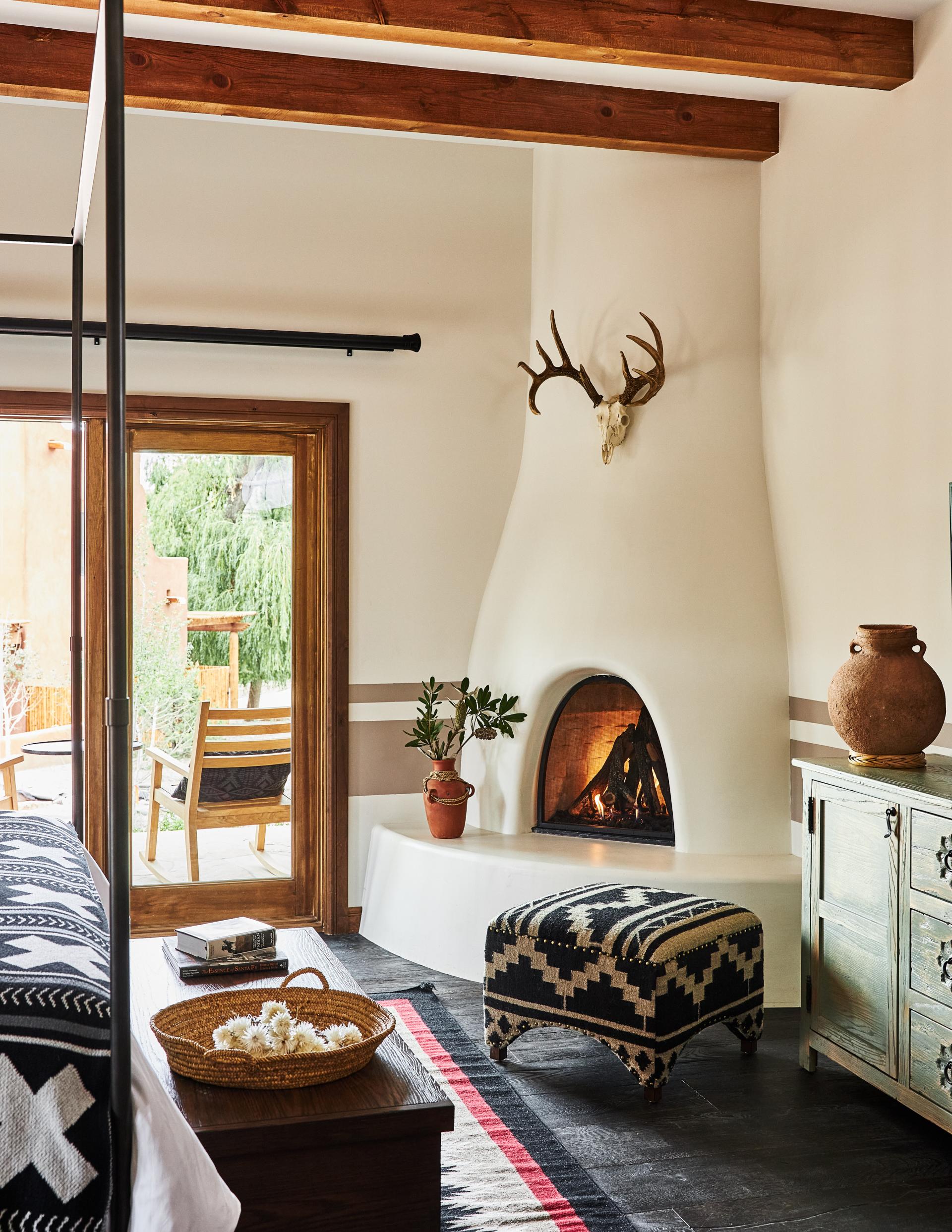
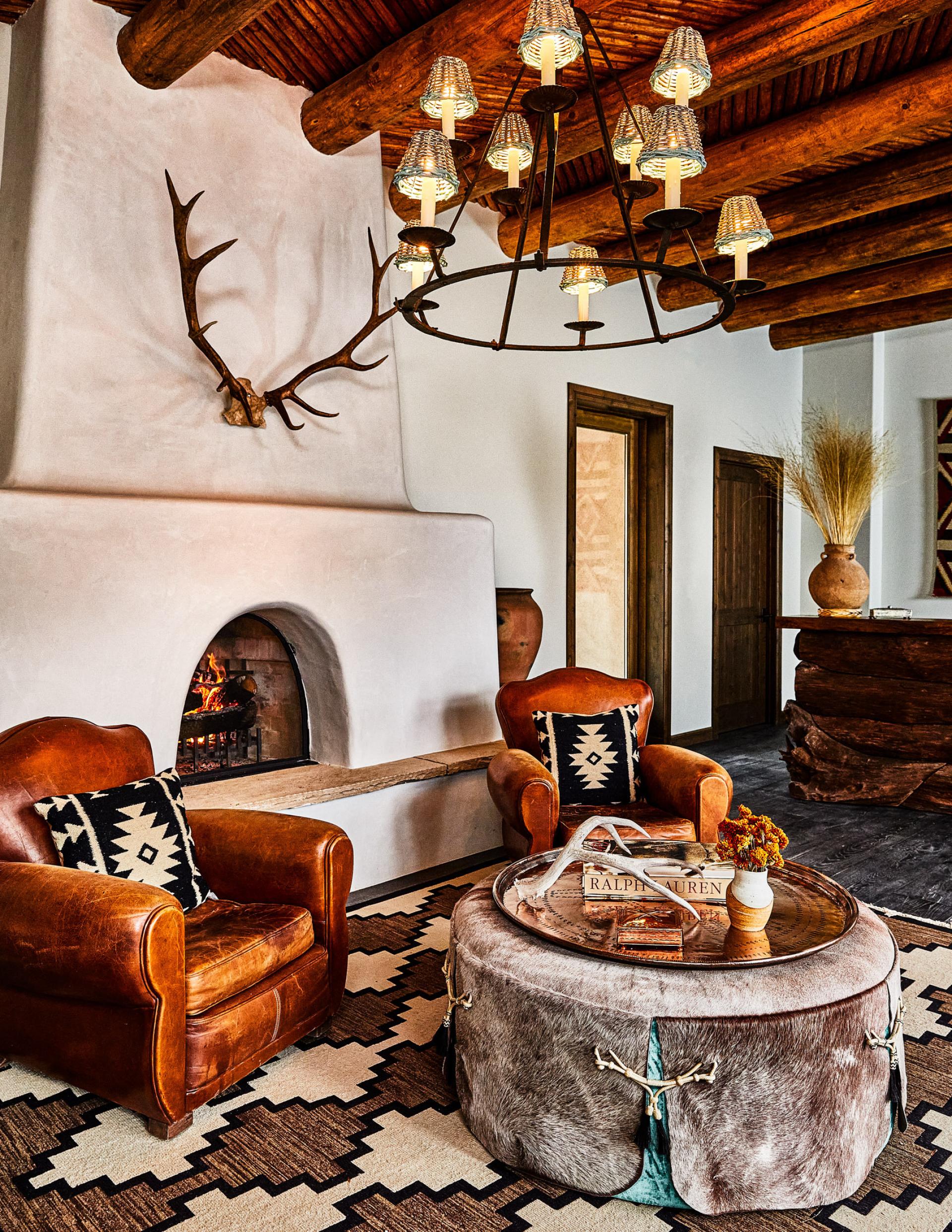
The client’s vision called for an experience that felt both elevated and authentic, honoring the property’s cultural resonance while meeting the expectations of today’s luxury traveler. ROAM approached the project with an understanding of the site’s emotional and historical significance, crafting interiors that balance warmth with a refined sense of discovery. Guest rooms feature Kiva fireplaces and locally stocked bar carts, while communal spaces blur the boundaries between indoors and out, encouraging connection to the surrounding landscape.
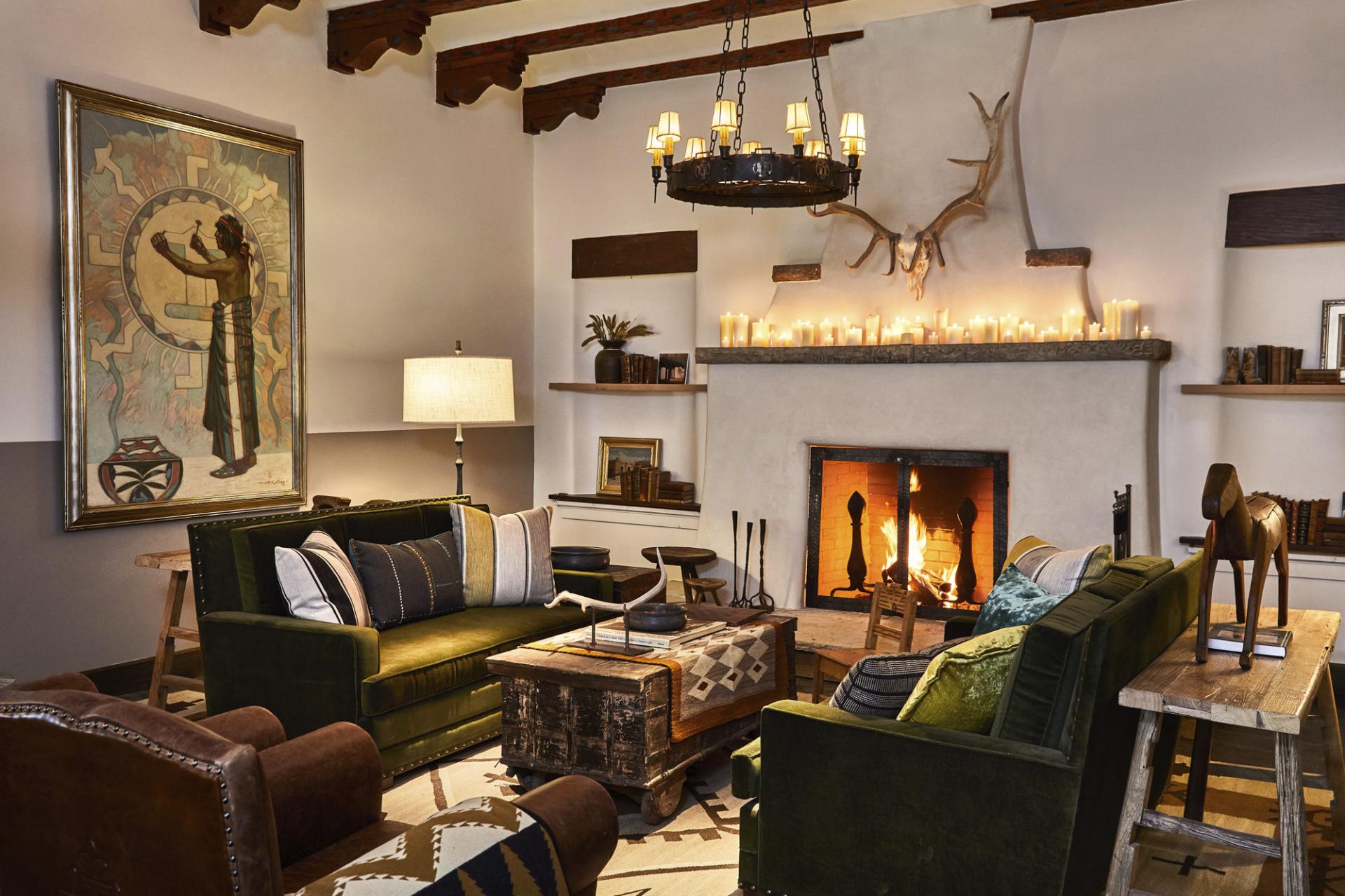
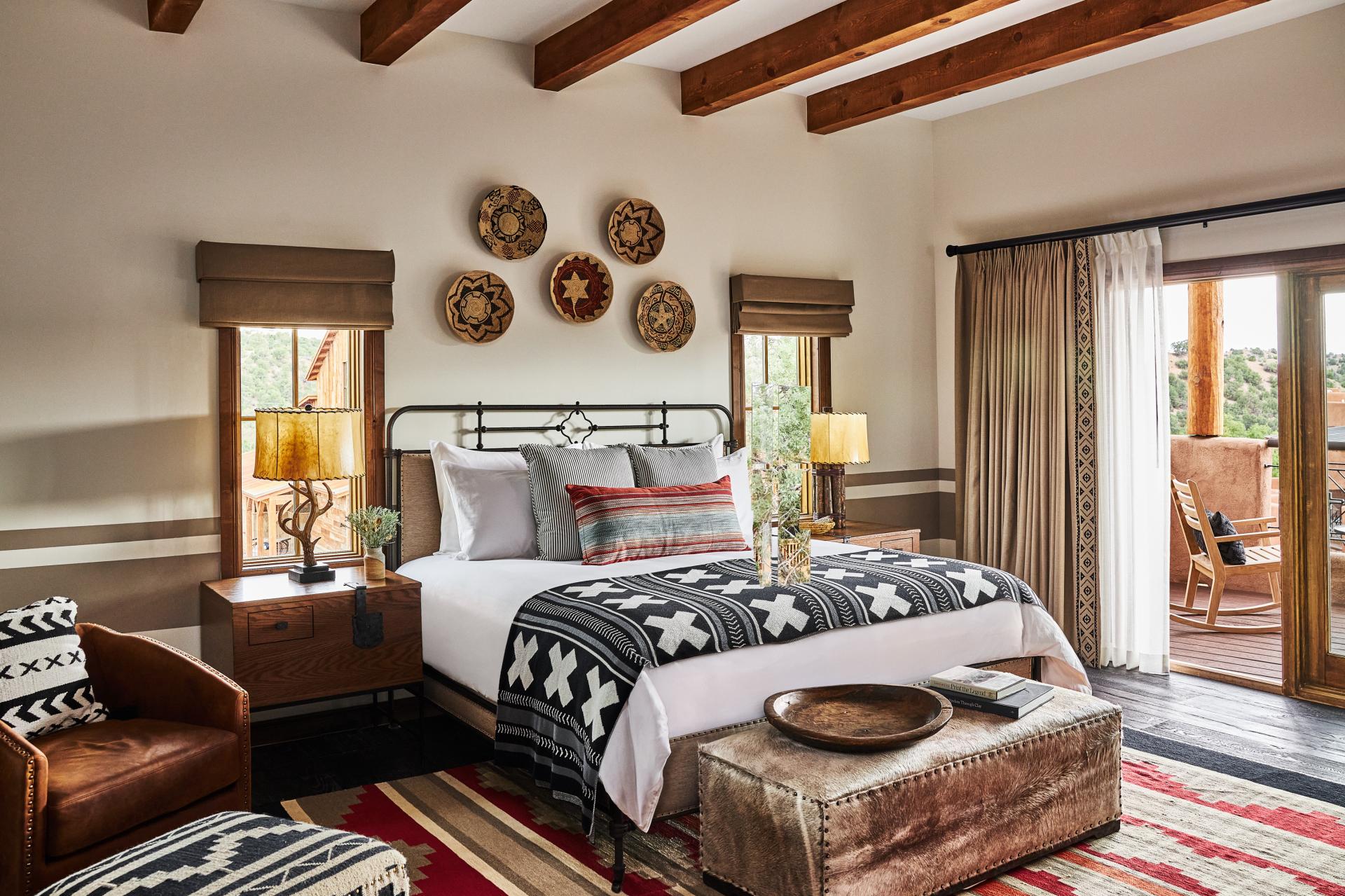
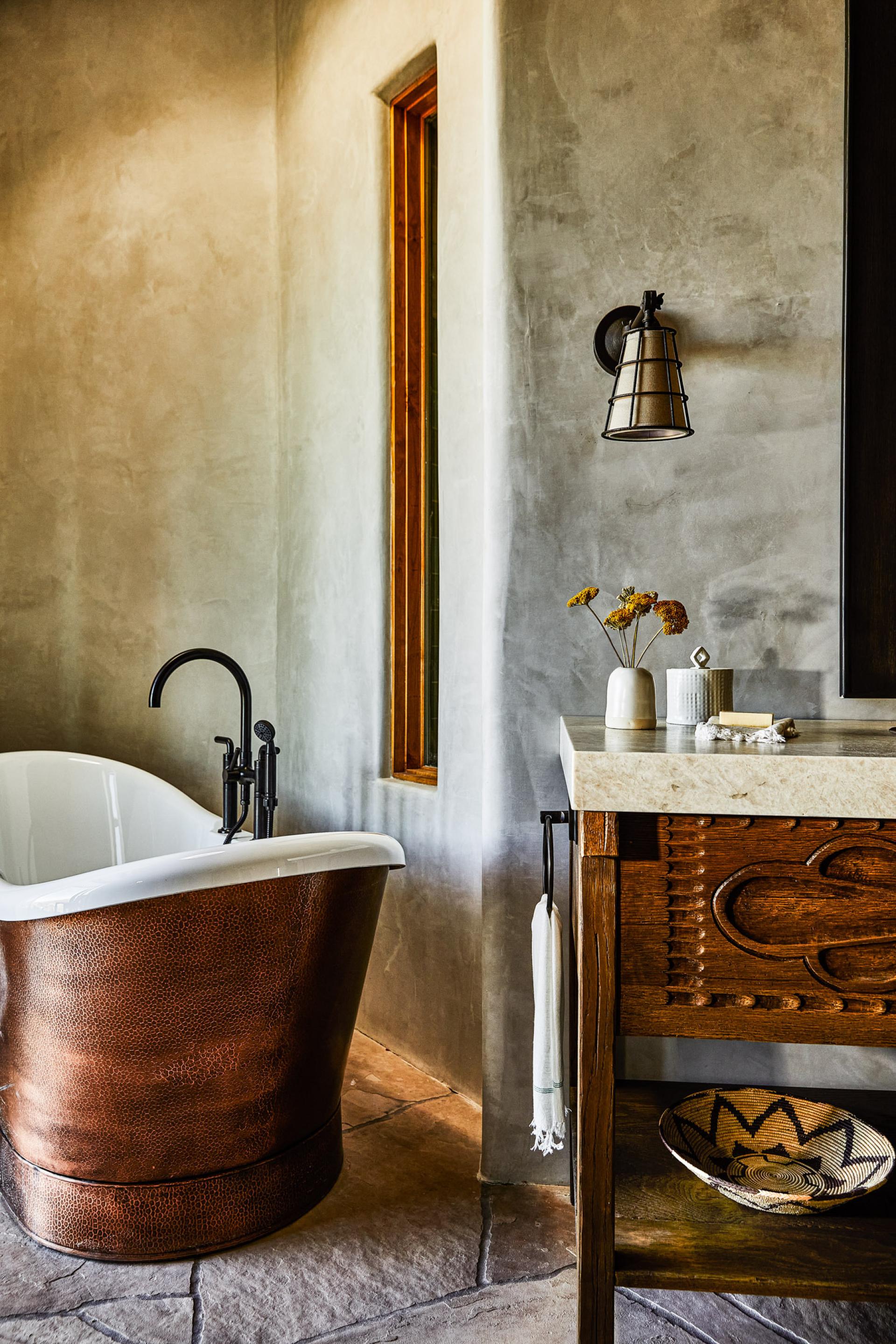
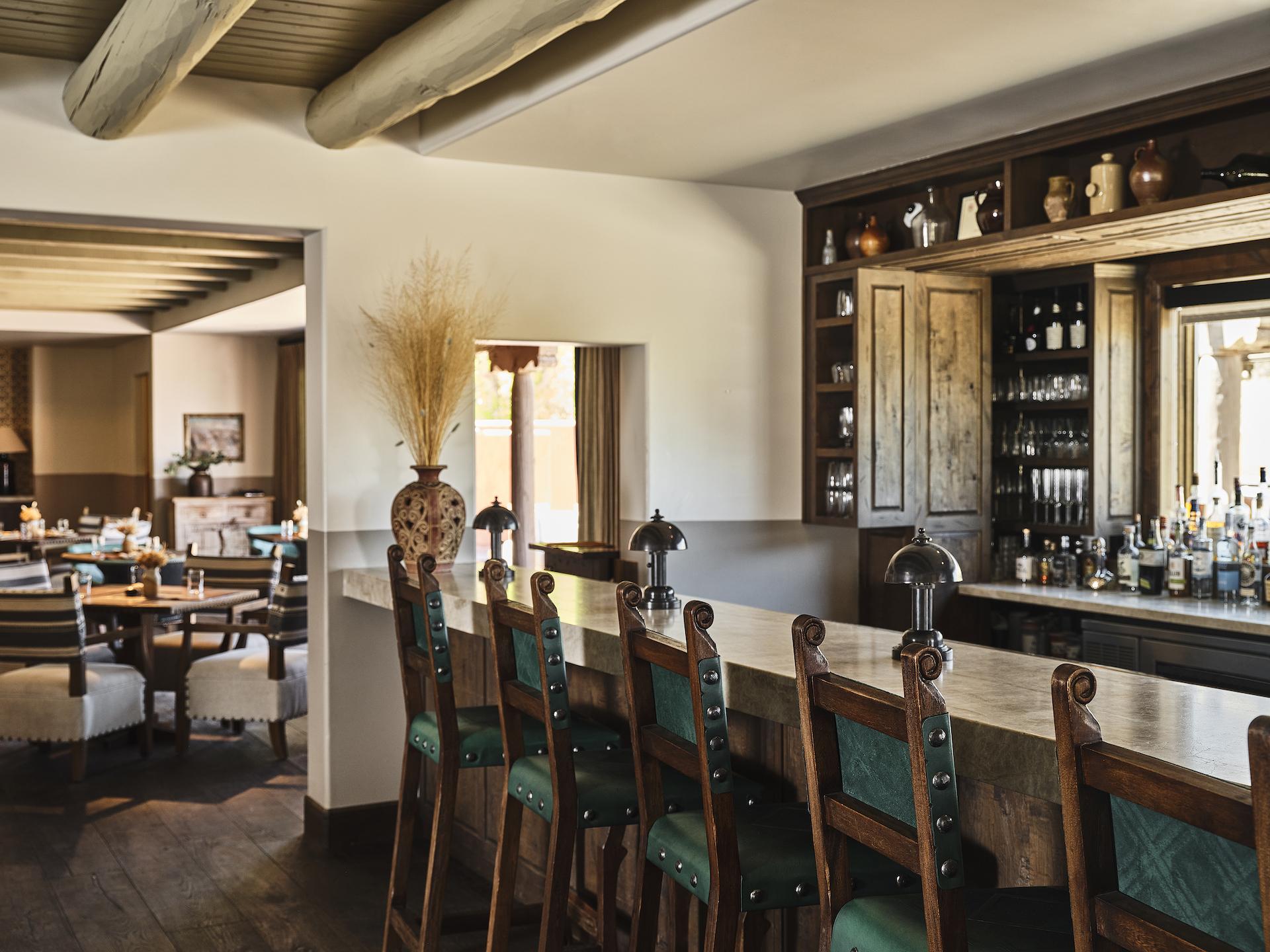
ROAM’s design is intentionally site-specific, responding to Santa Fe’s high desert environment through a palette of earthy tones, organic textures and natural materials – wood, adobe, leather and iron – that age gracefully in the arid climate. Close collaboration with preservation partners ensured the restoration of key structures, including the historic chapel dating back to the 1870s, while seamlessly integrating modern amenities.
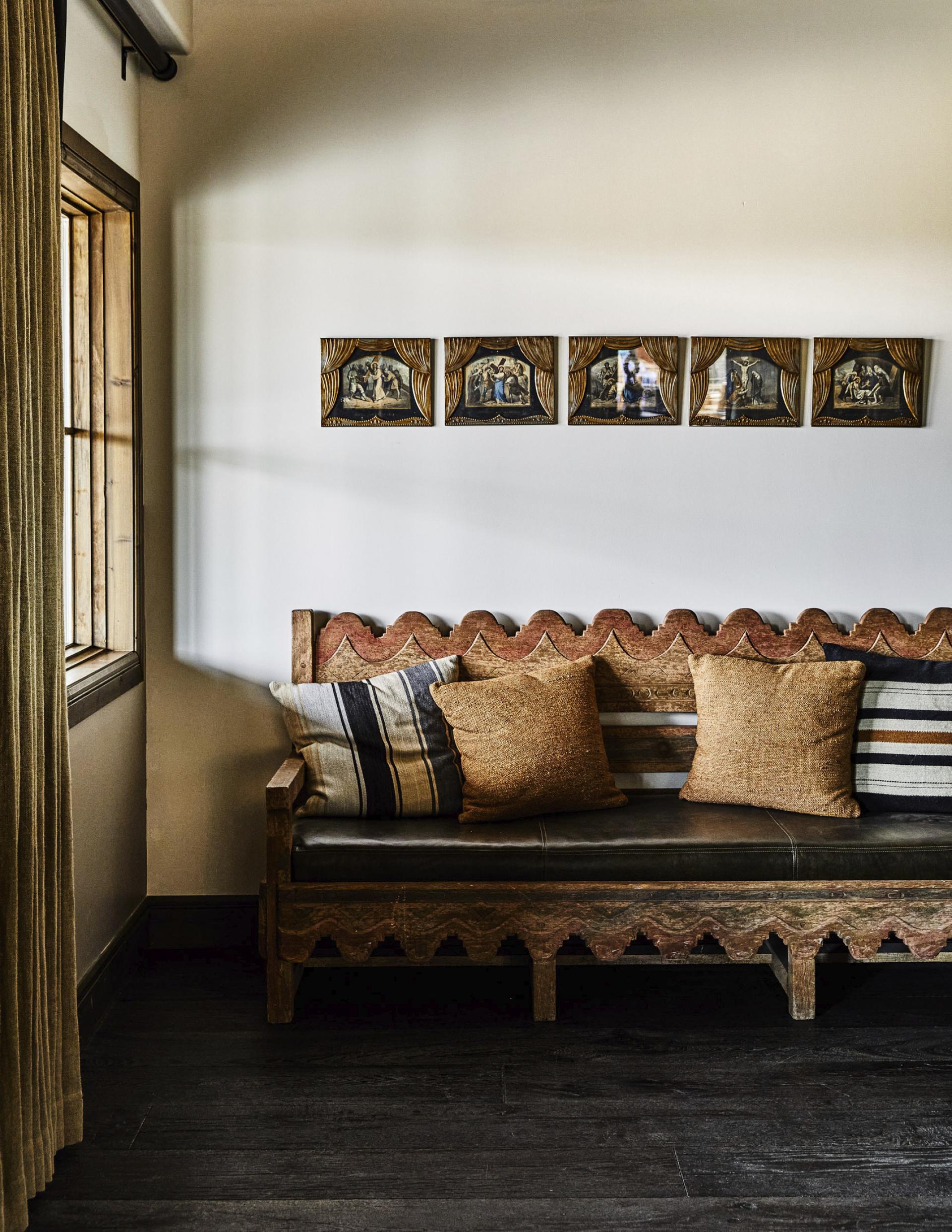
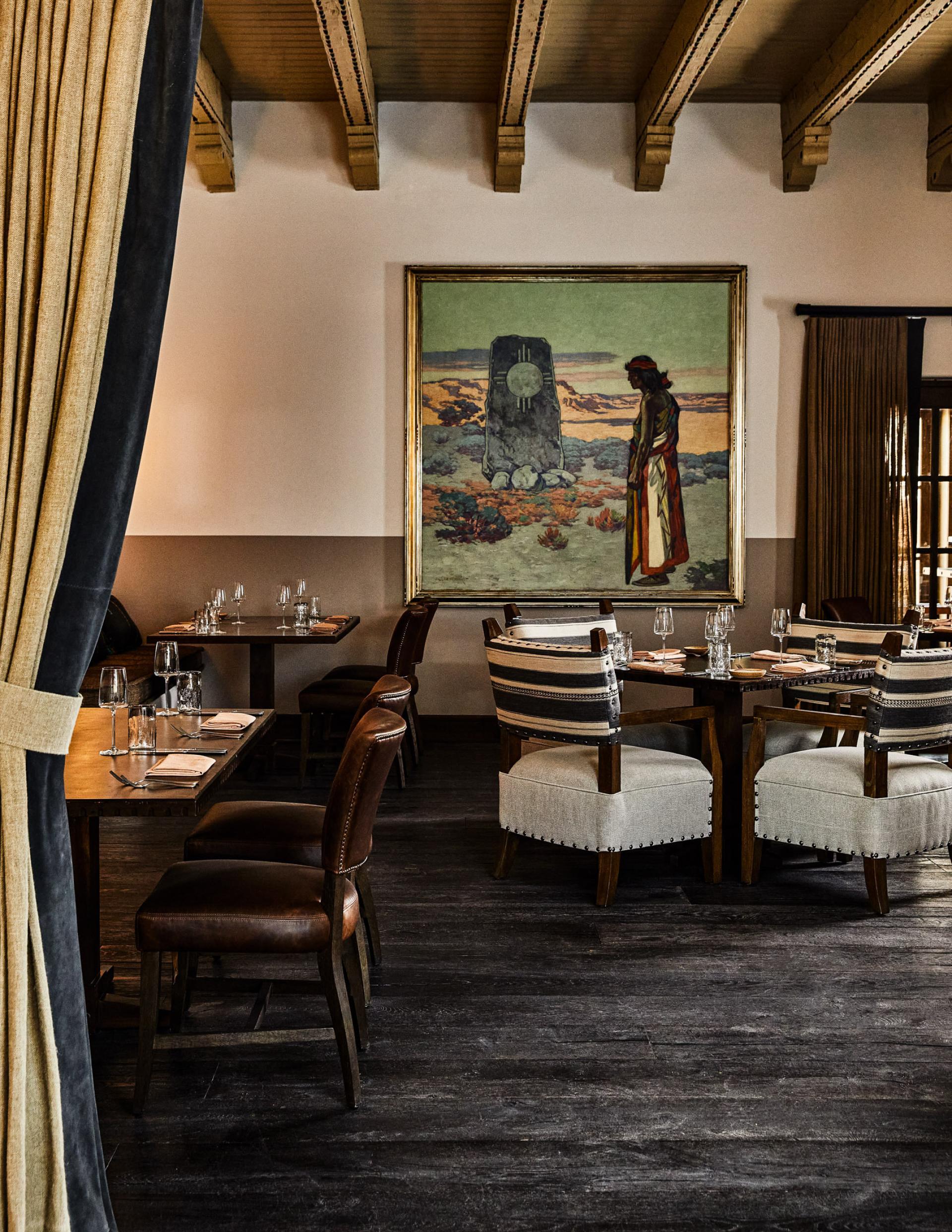
Inspired by Santa Fe’s layered cultural identity, shaped by Native American, Spanish Colonial and early-American influences, the interiors reference the region’s artistic lineage, including the iconic style of Millicent Rogers. Prairie silhouettes, Navajo motifs and desert colorways are woven throughout custom furnishings, regional artwork, vintage rugs, handcrafted textiles and curated Native American artifacts.
Prioritizing adaptive reuse and longevity, ROAM retained original architectural elements and furnishings wherever possible, favoring timeless design over trend. The result is a soulful, enduring destination – one that exemplifies ROAM’s belief that great design is experiential and lasting, inviting guests to return generation after generation.